Air Compressors for Every Job — From the Shop to the Job Site

Professional-grade piston, rotary screw, portable, and oil-free compressors from the brands that contractors, shops, and facilities rely on. Expert help. Free shipping.

✓ 5-Star Rated ✓ Free Shipping ✓ Expert Support ✓ 100+ Pro Brands
GET IT RIGHT THE FIRST TIME

Air Compressor Sizing Guide

Not sure what PSI, CFM, or tank size you need? Our free guide makes it easy to find the right compressor for your tools, shop, or job site.

Find the Right PSI & CFM Match Your Tools Save Time & Money Expert Recommendations
0 50 100 150 200 PSI
CFM CUBIC FEET
PER MINUTE
PSI POUNDS PER
SQUARE INCH
TANK SIZE GALLONS
GET THE GUIDE →

Find the Right Compressor for Your Application

Browse by how you actually use compressed air - not just by product specs.

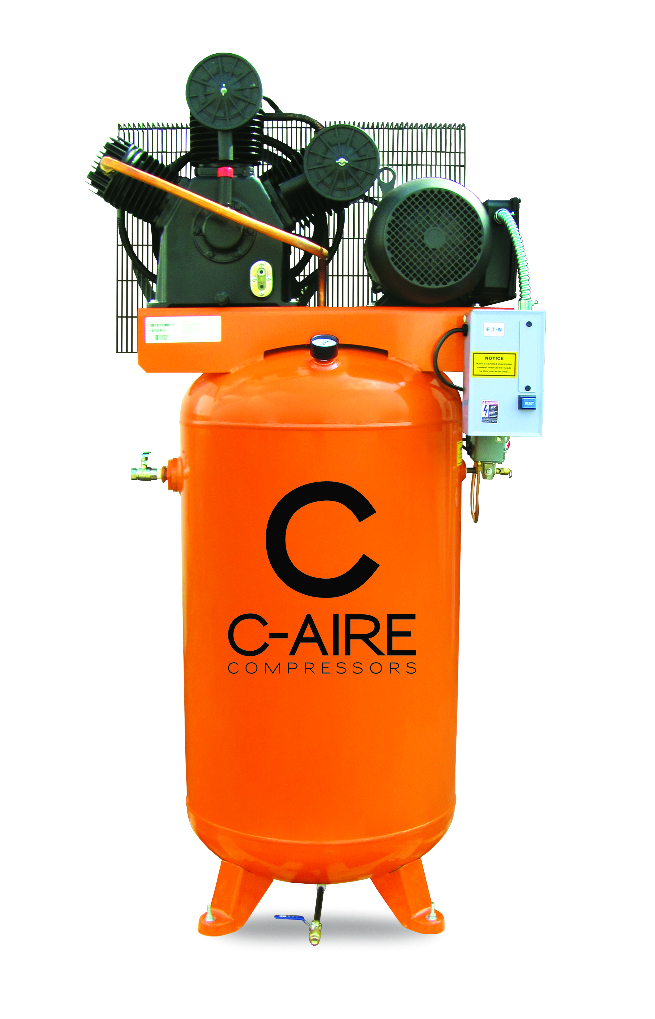
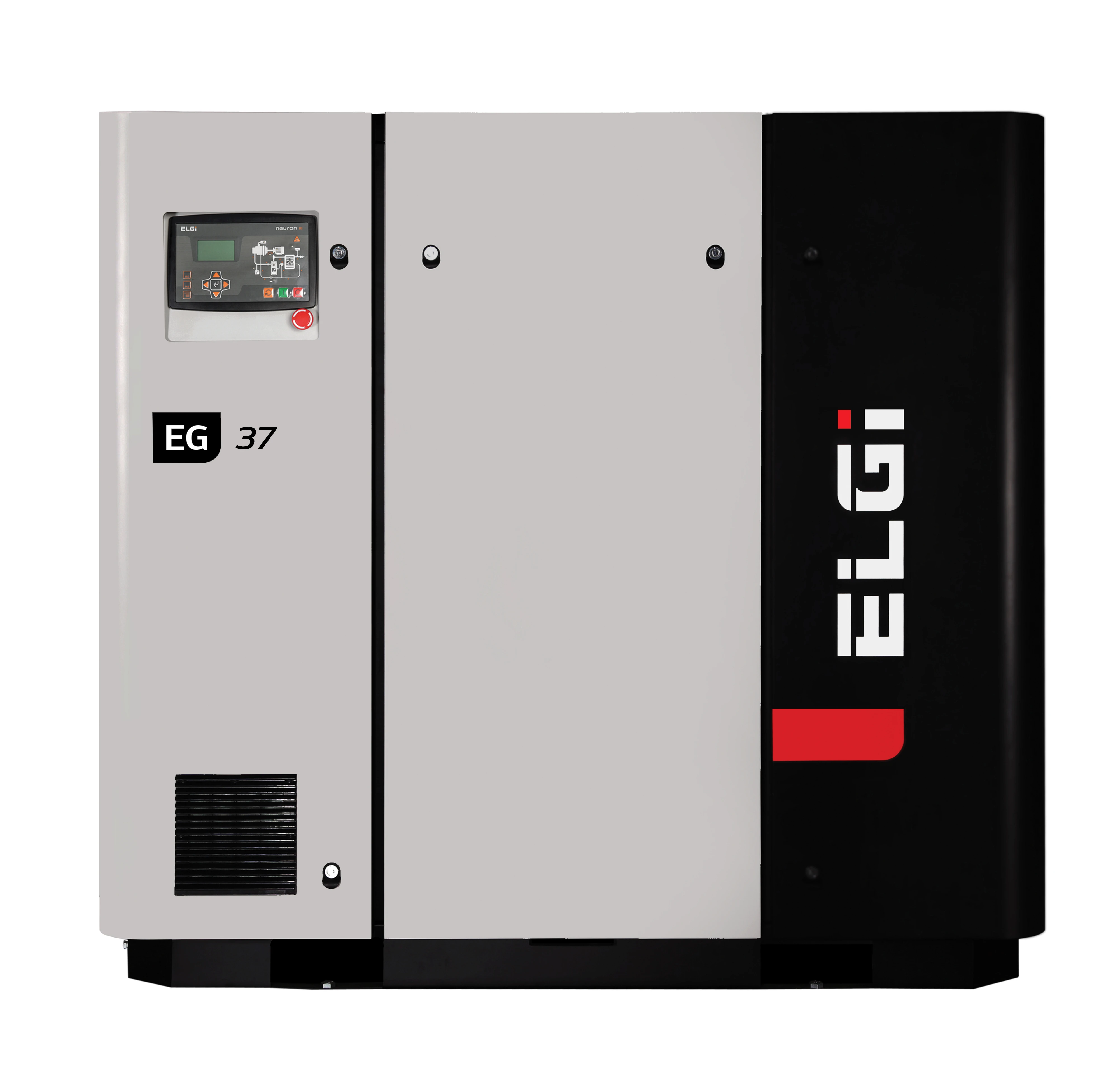
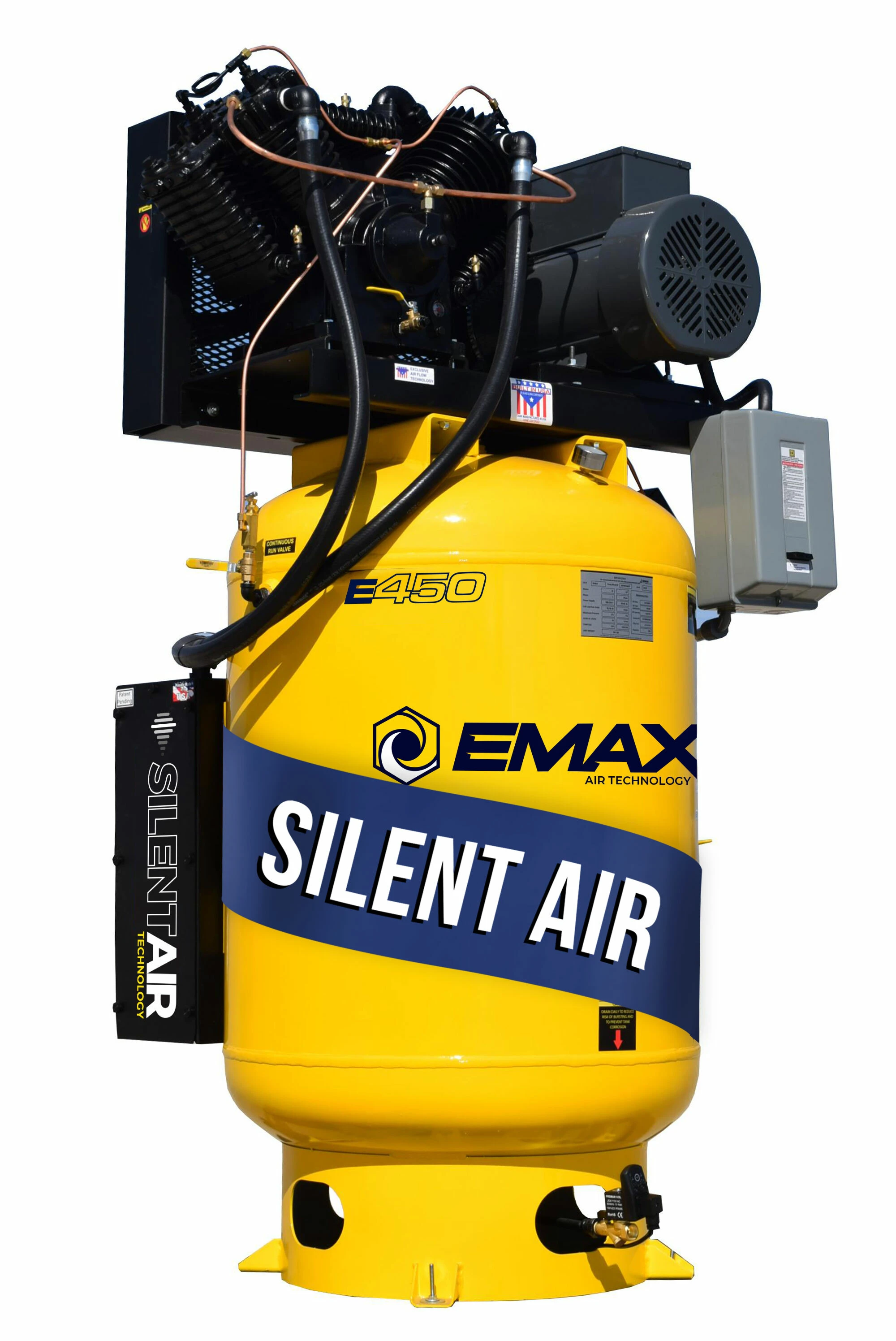
Shop Air Compressors by Type

Full range of compressor technologies. Not sure which type? Our team can help you size the right unit.

Why Buyers Choose CompressorPros.com

When you call us, you reach someone who can discuss CFM, duty cycle, oil-free vs oil-lubricated, single-phase vs three-phase, and rotary screw vs piston - not someone reading from a product page.

📞
Expert Pre-Sale Support Match CFM, PSI, power supply, and tank size to your actual workload.
🏆
Professional & Industrial Brands Brands built for real-world commercial use - not consumer-grade rebadged for retail.
🚚
Free Standard Shipping Continental US. Commercial address with forklift on site. Residential deliveries require liftgate.
5-Star Shopper Approved Ratings Verified reviews on selection, knowledge, and post-sale support.

Professional-Grade Air Compressor Brands

Selected for durability, parts availability, and long-term reliability — not price-point alone.

How to Choose the Right Air Compressor: The Key Factors

Choosing the wrong size is the most common - and most expensive - mistake. Here's what to know before you buy.

Spec What It Means How to Determine Yours
CFM Cubic feet per minute - air delivery volume. Most important spec. Add up all tools being used simultaneously + 25-30% buffer.
PSI Pounds per square inch - pressure output. Most need around 90 PSI.
Tank Size Air storage (gallons). Larger = less cycling. Lighter use: smaller. Heavier, more constant use: larger.
Duty Cycle % run time. Piston: 50-75%. Rotary screw: 100%. 30+ min continuous? Consider rotary screw.
Power Single-phase (120V/240V), 3-phase (208-460V), gas, diesel. Check your panel or with your power company.
HP Horsepower - fills tank faster, supports higher CFM. Don't buy by HP alone - shop by CFM/PSI.
Need Help Sizing? Call 803-339-0445 or chat with us. Free sizing help.  |  Read our Complete Buying Guide →

Air Compressors: Understanding Your Options Before You Buy

Three decision points every buyer should understand before making a purchase.

Piston vs Rotary Screw

The Core Decision

This is the first fork in the road for every buyer. The choice comes down to how you use compressed air, not how much you want to spend.

Piston (Reciprocating)

  • Best for intermittent use — short bursts with breaks
  • Single-stage: up to 135 PSI
  • Two-stage: up to 175 PSI for impacts, grinders, spray guns
  • 50–75% duty cycle (needs rest periods)
  • Lower upfront cost

Rotary Screw

  • Built for continuous, all-day operation
  • 100% duty cycle — no cooldown needed
  • Runs quieter than comparable piston units
  • VSD models adjust speed to save 35–50% on energy
  • Standard for auto shops, manufacturing, production

Quick rule: If you run the compressor continuously for 30+ minutes, choose rotary screw. If use is short bursts with breaks, piston usually costs less and does the job.

Oil-Free vs Oil-Lubricated

When It Matters — and When It Doesn’t

Most buyers do not need oil-free — but some absolutely do, and choosing wrong can become a compliance issue, not just a preference.

Oil-Lubricated

  • More durable for heavy daily workloads
  • Runs quieter than many oil-free equivalents
  • Lower maintenance cost long-term
  • Best for shops, garages, construction, general industrial

Oil-Free

  • Zero risk of oil contamination in air stream
  • Required for ISO 8573-1 Class 0 compliance
  • Best for medical, dental, food processing, pharma
  • Scroll-type oil-free runs extremely quiet

Decision test: If your industry regulates air purity (medical, dental, food, pharma), oil-free is non-negotiable. For everything else, oil-lubricated is usually more durable and cost-effective.

What CFM Actually Means

The Number That Sizes Your Compressor

CFM (cubic feet per minute) is the most important sizing metric — more important than tank size or horsepower by itself. If your tools demand more CFM than your compressor can deliver, pressure drops and productivity suffers.

How to Calculate Your CFM

  • Add all tools used at the same time
  • Use each tool’s required CFM at your target PSI
  • Add at least 25–30% safety margin
  • Size for real demand, not occasional peak guesses

If CFM Is Too Low

  • Compressor runs continuously and overheats
  • Pressure drops during tool use
  • Tools slow down or perform inconsistently
  • Premature wear on pump, motor, and controls

Sizing rule: If your total tool demand is 10 CFM, target at least 12.5–13 CFM output from the compressor at working pressure.

Frequently Asked Questions About Air Compressors

PSI measures pressure; CFM measures air volume delivery. For most buyers, CFM is the more critical spec — insufficient CFM means the compressor runs continuously and never keeps up.

Piston for intermittent use (short bursts). Rotary screw for continuous use (100% duty cycle). Standard for auto shops, manufacturing, and production environments.

The percentage of time a compressor can run without overheating. Piston: 50-75%. Rotary screw: 100%. Running a 50% duty cycle unit continuously will cause premature failure.

Only for clean-air applications: medical, dental, food processing, pharmaceutical, ISO 8573-1 Class 0. For general shop use, oil-lubricated is more durable and cost-effective.

Add CFM of all simultaneous tools + 25-30% buffer. A typical two-bay auto shop needs ~12-13 CFM at 90 PSI — roughly a 5-7.5 HP piston or 5 HP rotary screw.

Variable speed drive — uses an inverter to match motor speed to real-time demand. Saves 35-50% on energy vs fixed-speed. Best for facilities with variable production schedules.

Single-stage: one compression to 125-135 PSI for nailers and inflation. Two-stage: two compressions to 175 PSI, runs cooler, handles spray painting and heavy shop demands.

Yes — if your CFM output meets combined demand. Add tool CFM + 25% buffer. For high CFM with redundancy, consider a duplex compressor (two pumps, one tank).

Yes — free to contiguous US. Small units ship UPS/FedEx. Large commercial units ship freight with lift-gate service available.

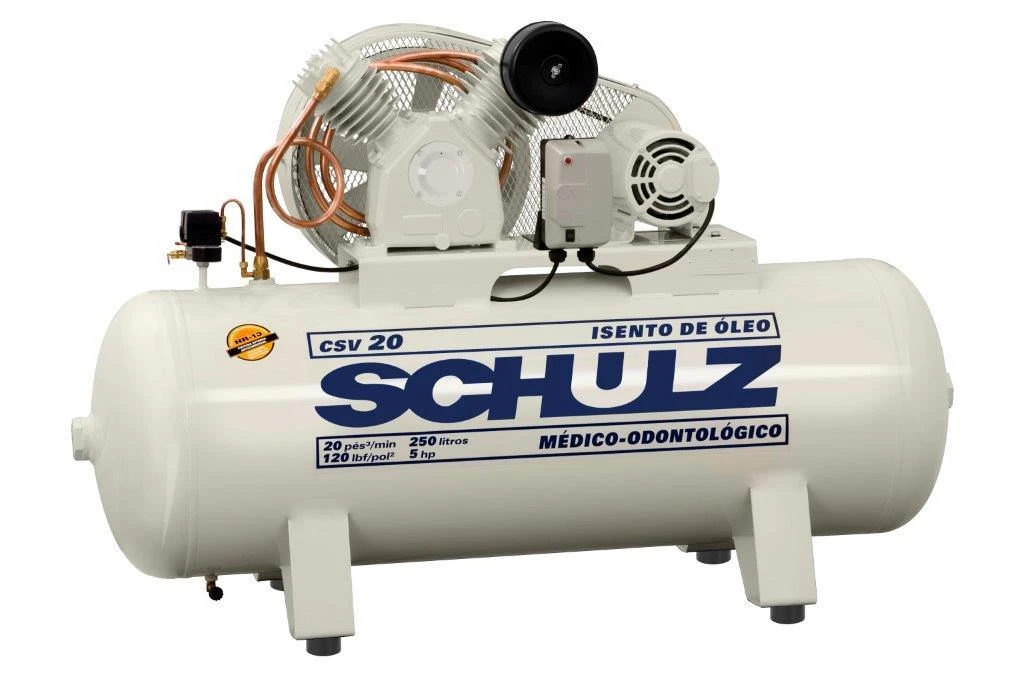
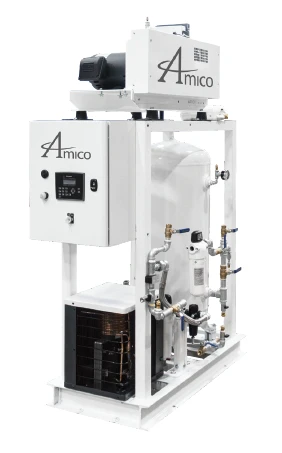
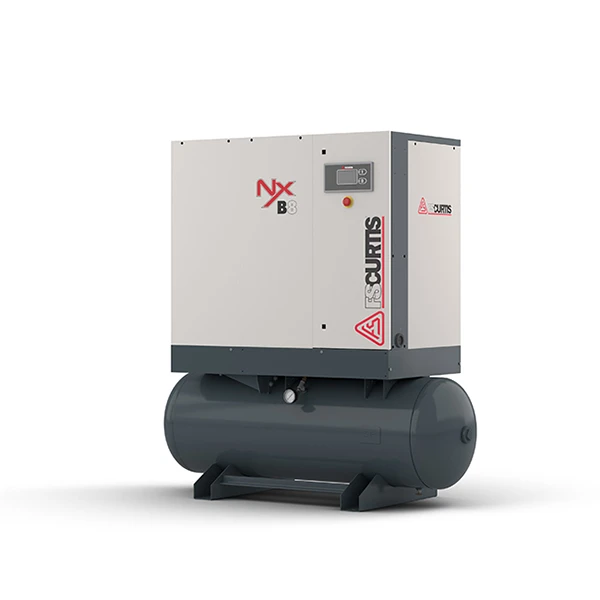
FS Curtis, Quincy, EMAX, Jenny, Schulz, Elgi, Industrial Gold, Chicago Pneumatic, C-Aire, KTC, Amico, FirstAir, ConX, and Mi-T-M.

Not Sure Which Air Compressor Is Right for You?

Our specialists help you match the right unit to your CFM, power supply, duty cycle, and budget.

Read our Air Compressor Buying Guide →