

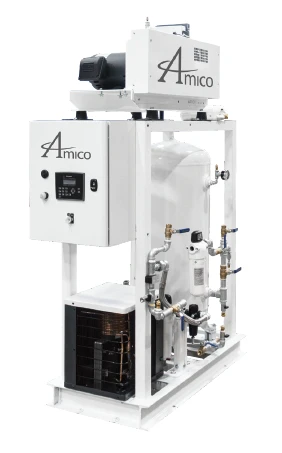
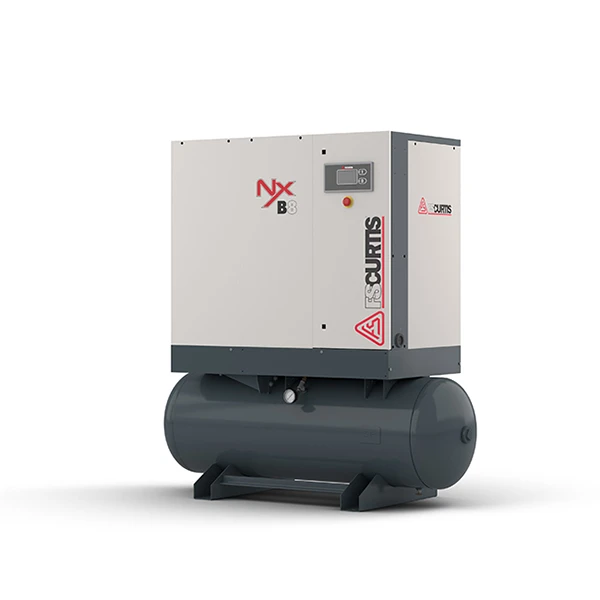

2203016100 Intake Valve

0830100969 - Safety Valve ST25-1A200 ASME
2204155654 - Set of Belts MB XPZ L = 1087

QT-2 Basic and Conversion Kit to Change from Old QT-15 (Check with Quincy for Correct Kit)
How to Choose the Right Air Compressor: The Key Factors
Choosing the wrong size is the most common - and most expensive - mistake. Here's what to know before you buy.
| Spec | What It Means | How to Determine Yours |
|---|---|---|
| CFM | Cubic feet per minute - air delivery volume. Most important spec. | Add up all tools being used simultaneously + 25-30% buffer. |
| PSI | Pounds per square inch - pressure output. | Most need around 90 PSI. |
| Tank Size | Air storage (gallons). Larger = less cycling. | Lighter use: smaller. Heavier, more constant use: larger. |
| Duty Cycle | % run time. Piston: 50-75%. Rotary screw: 100%. | 30+ min continuous? Consider rotary screw. |
| Power | Single-phase (120V/240V), 3-phase (208-460V), gas, diesel. | Check your panel or with your power company. |
| HP | Horsepower - fills tank faster, supports higher CFM. | Don't buy by HP alone - shop by CFM/PSI. |
Browse All Air Compressor Categories
By Type
By Portability
By Phase, Power & Specs
Frequently Asked Questions About Air Compressors
PSI measures pressure; CFM measures air volume delivery. For most buyers, CFM is the more critical spec — insufficient CFM means the compressor runs continuously and never keeps up.
Piston for intermittent use (short bursts). Rotary screw for continuous use (100% duty cycle). Standard for auto shops, manufacturing, and production environments.
The percentage of time a compressor can run without overheating. Piston: 50-75%. Rotary screw: 100%. Running a 50% duty cycle unit continuously will cause premature failure.
Only for clean-air applications: medical, dental, food processing, pharmaceutical, ISO 8573-1 Class 0. For general shop use, oil-lubricated is more durable and cost-effective.
Add CFM of all simultaneous tools + 25-30% buffer. A typical two-bay auto shop needs ~12-13 CFM at 90 PSI — roughly a 5-7.5 HP piston or 5 HP rotary screw.
Variable speed drive — uses an inverter to match motor speed to real-time demand. Saves 35-50% on energy vs fixed-speed. Best for facilities with variable production schedules.
Single-stage: one compression to 125-135 PSI for nailers and inflation. Two-stage: two compressions to 175 PSI, runs cooler, handles spray painting and heavy shop demands.
Yes — if your CFM output meets combined demand. Add tool CFM + 25% buffer. For high CFM with redundancy, consider a duplex compressor (two pumps, one tank).
Yes — free to contiguous US. Small units ship UPS/FedEx. Large commercial units ship freight with lift-gate service available.
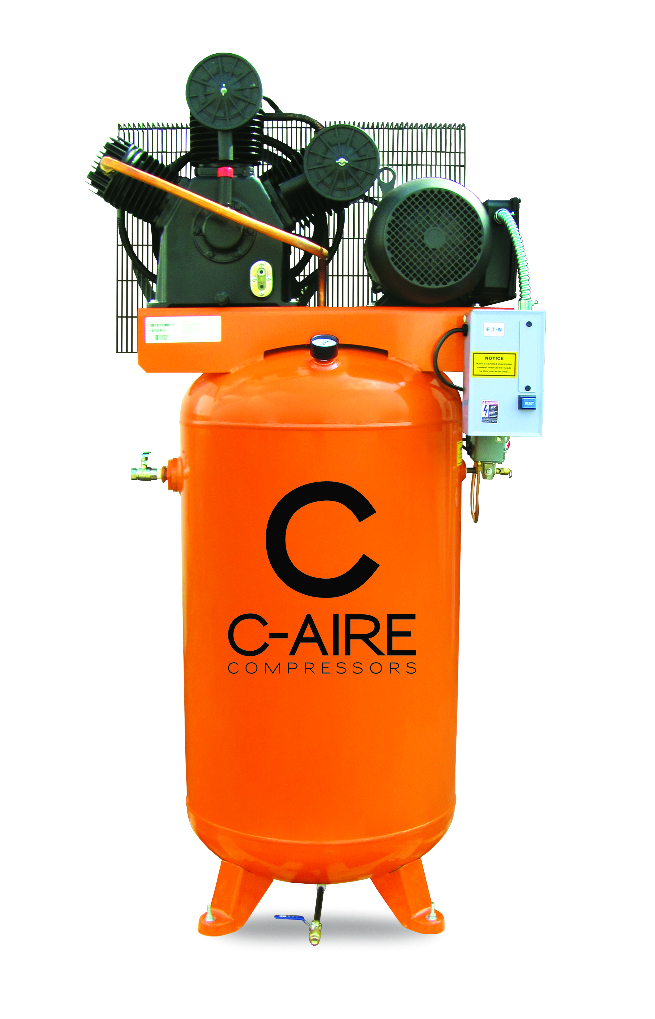
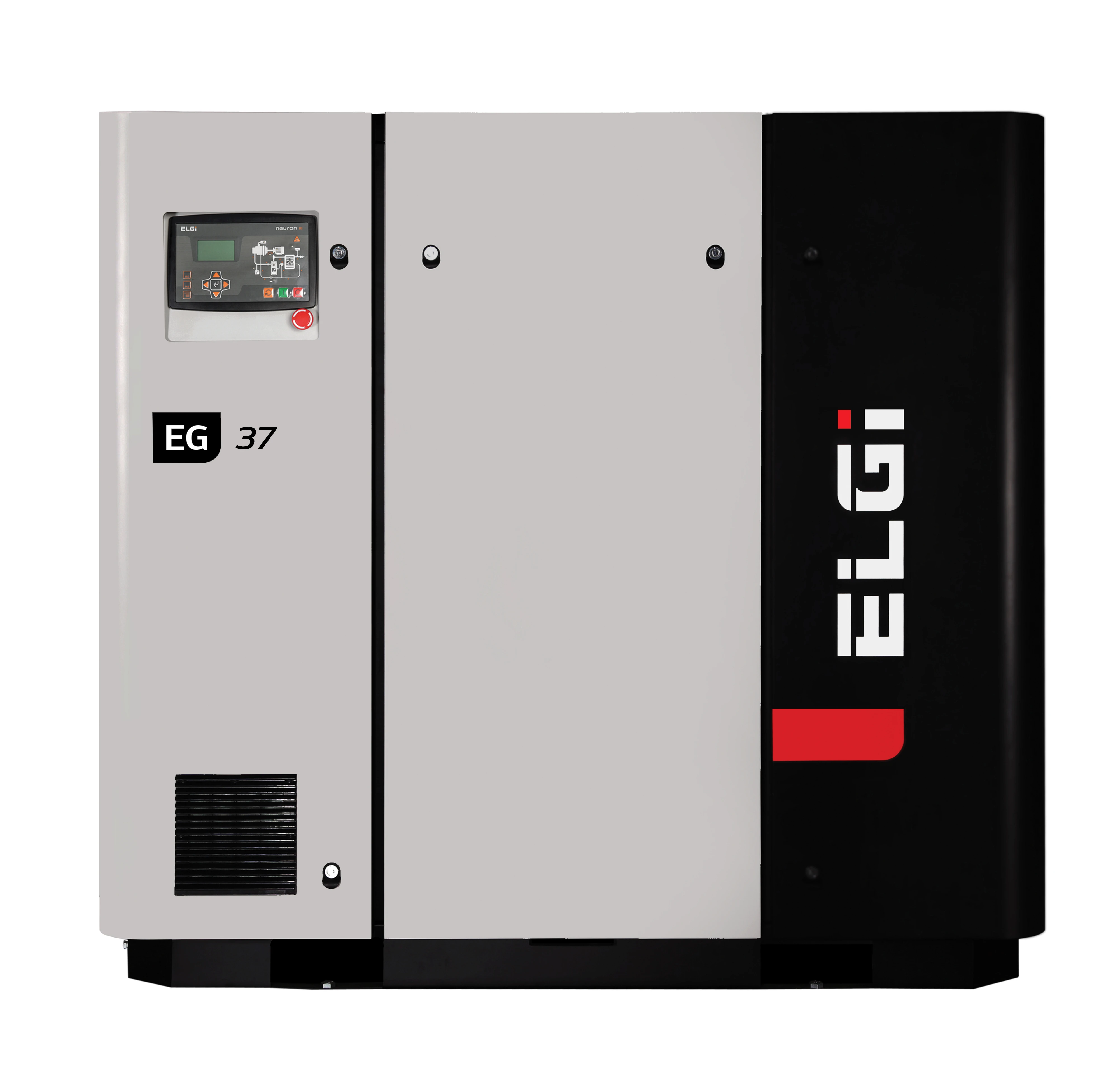
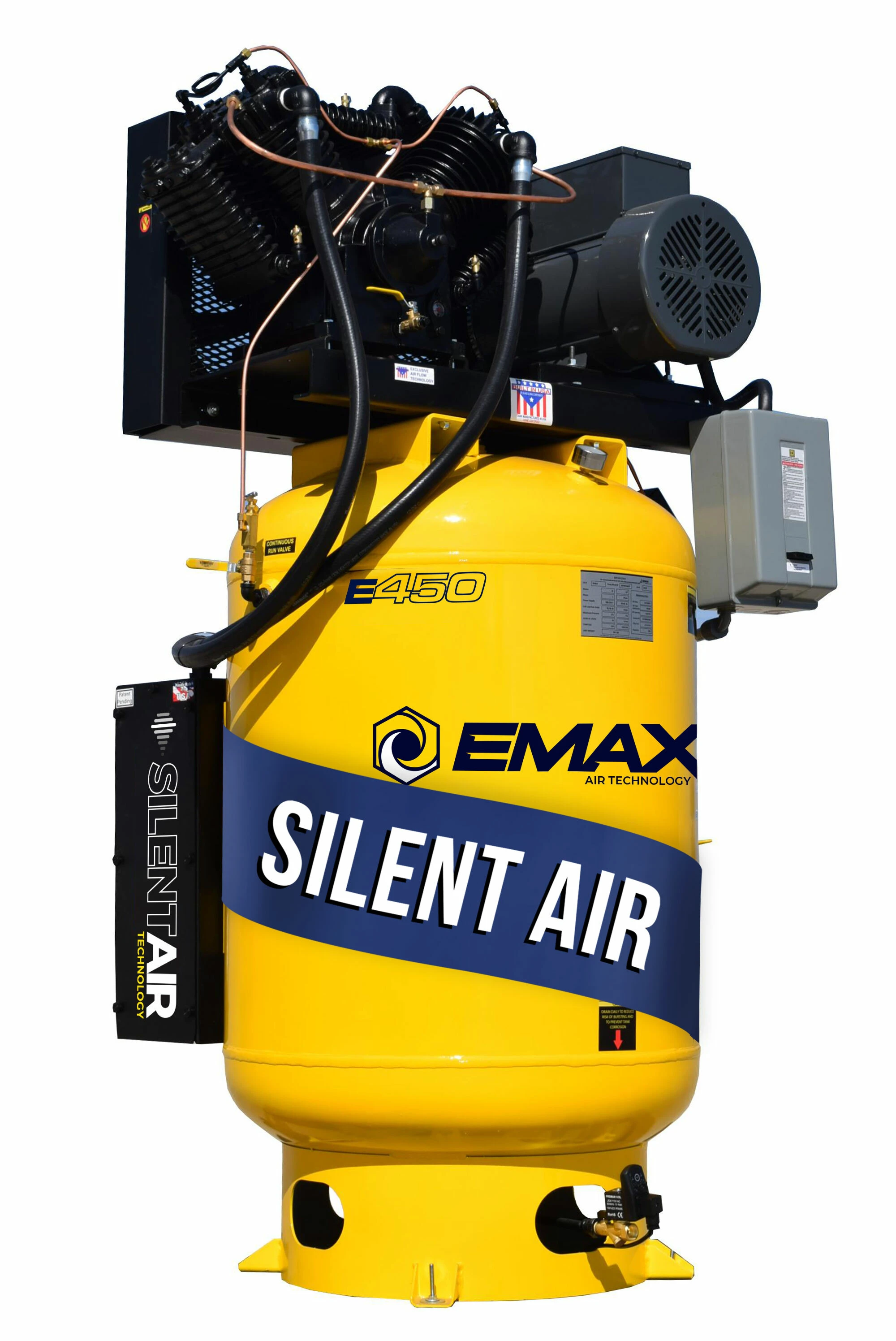
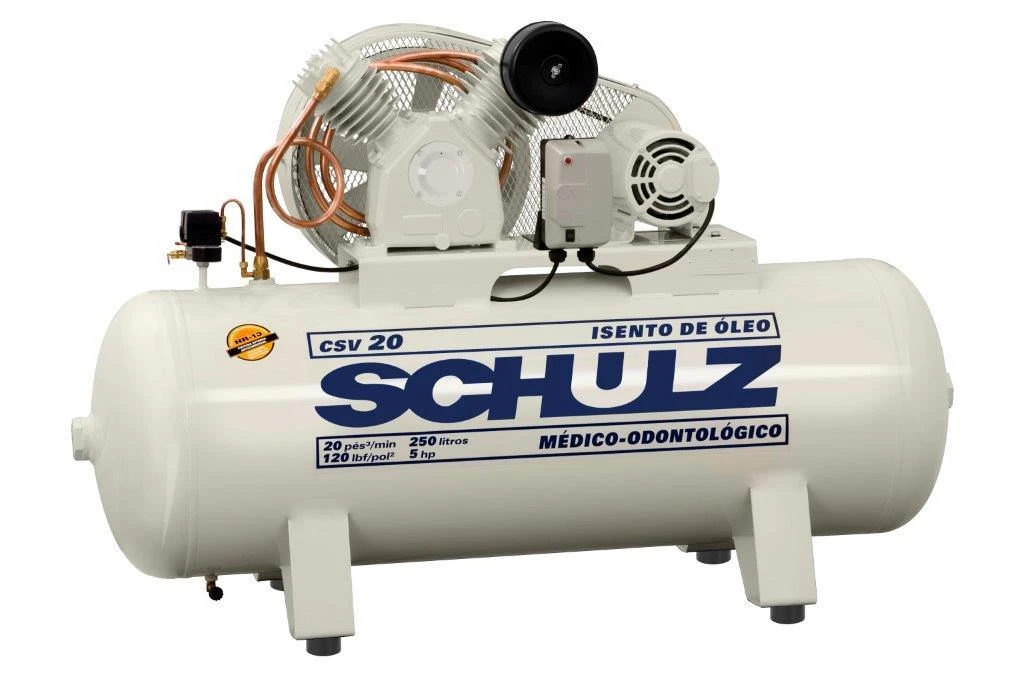
FS Curtis, Quincy, EMAX, Jenny, Schulz, Elgi, Industrial Gold, Chicago Pneumatic, C-Aire, KTC, Amico, FirstAir, ConX, and Mi-T-M.